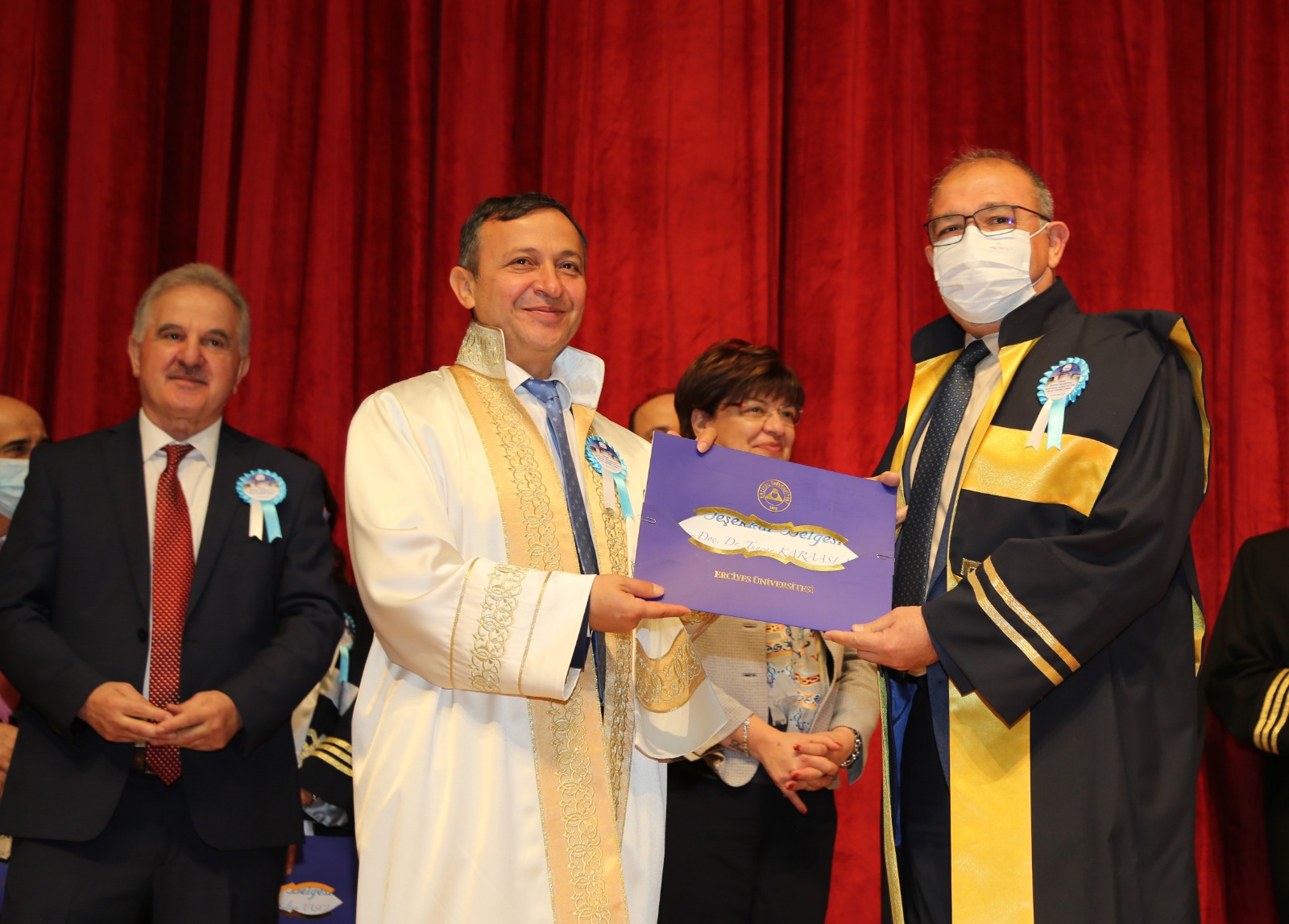
Full Accreditation Certificate to our University by the Higher Education Quality Council
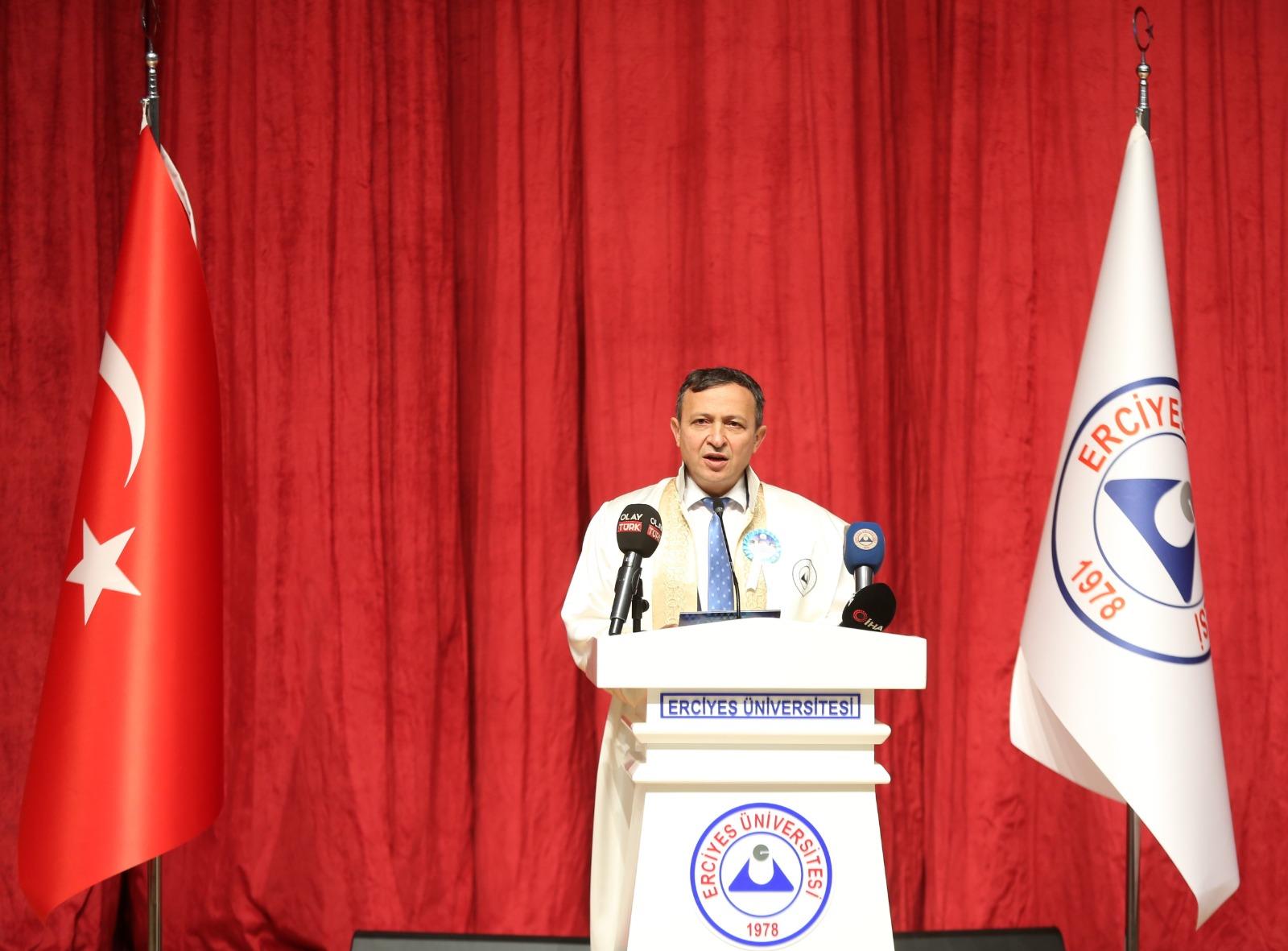
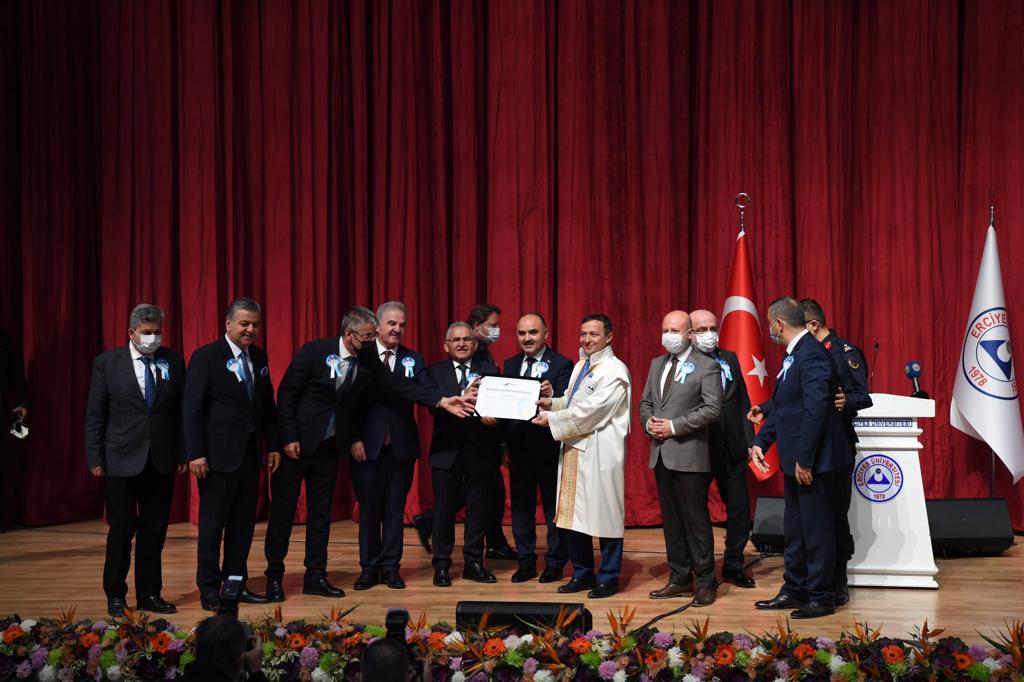
Our university has been entitled to receive the “Full Accreditation” for a period of 5 years within the Institutional Accreditation Program, implemented by the Higher Education Quality Council (HEQC). The accreditation certificate was presented to our Rector, Prof. Dr. Mustafa Çalış, by Higher Education Quality Council (HEQC) President Prof. Dr. Muzaffer Elmas.
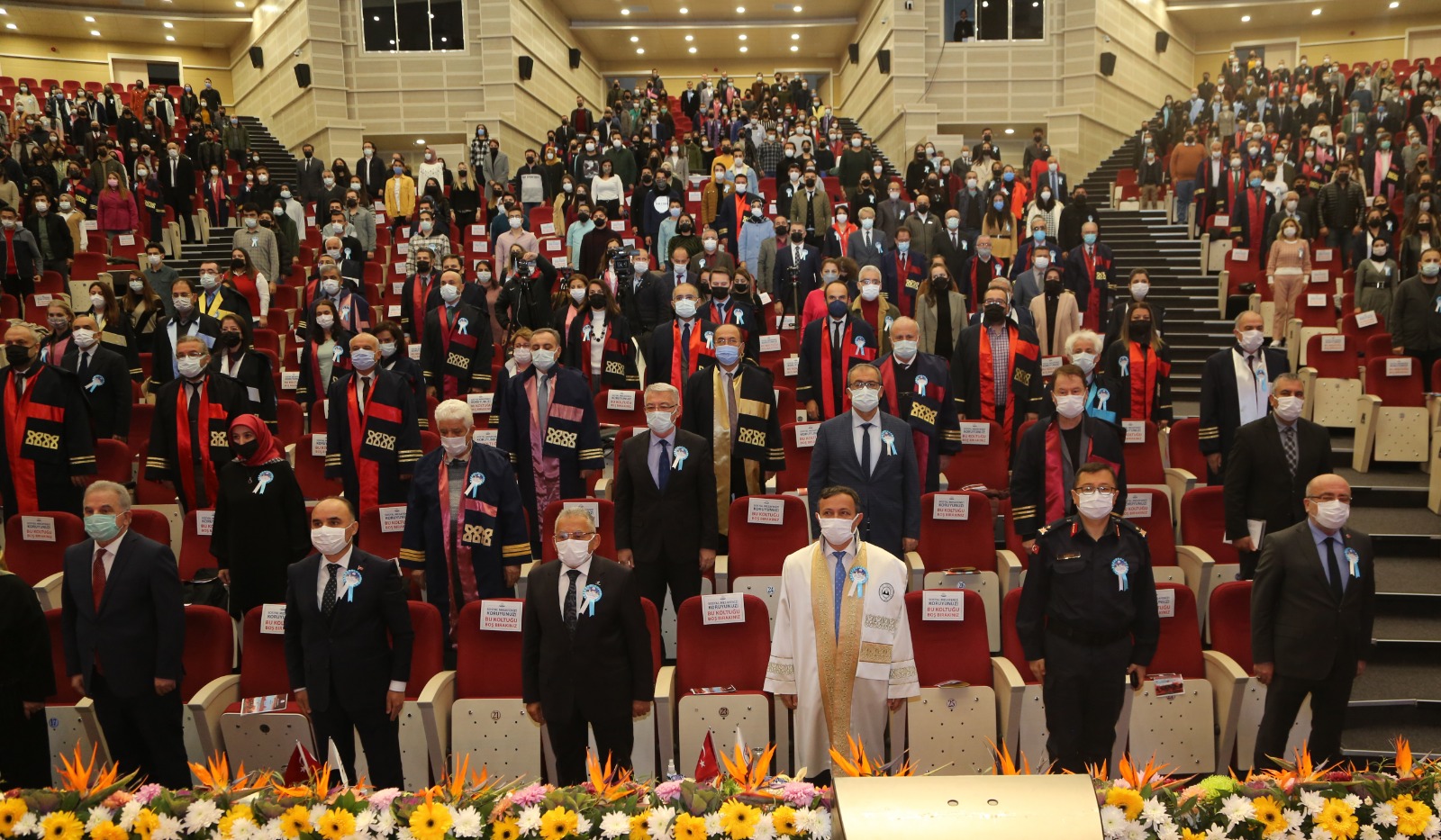
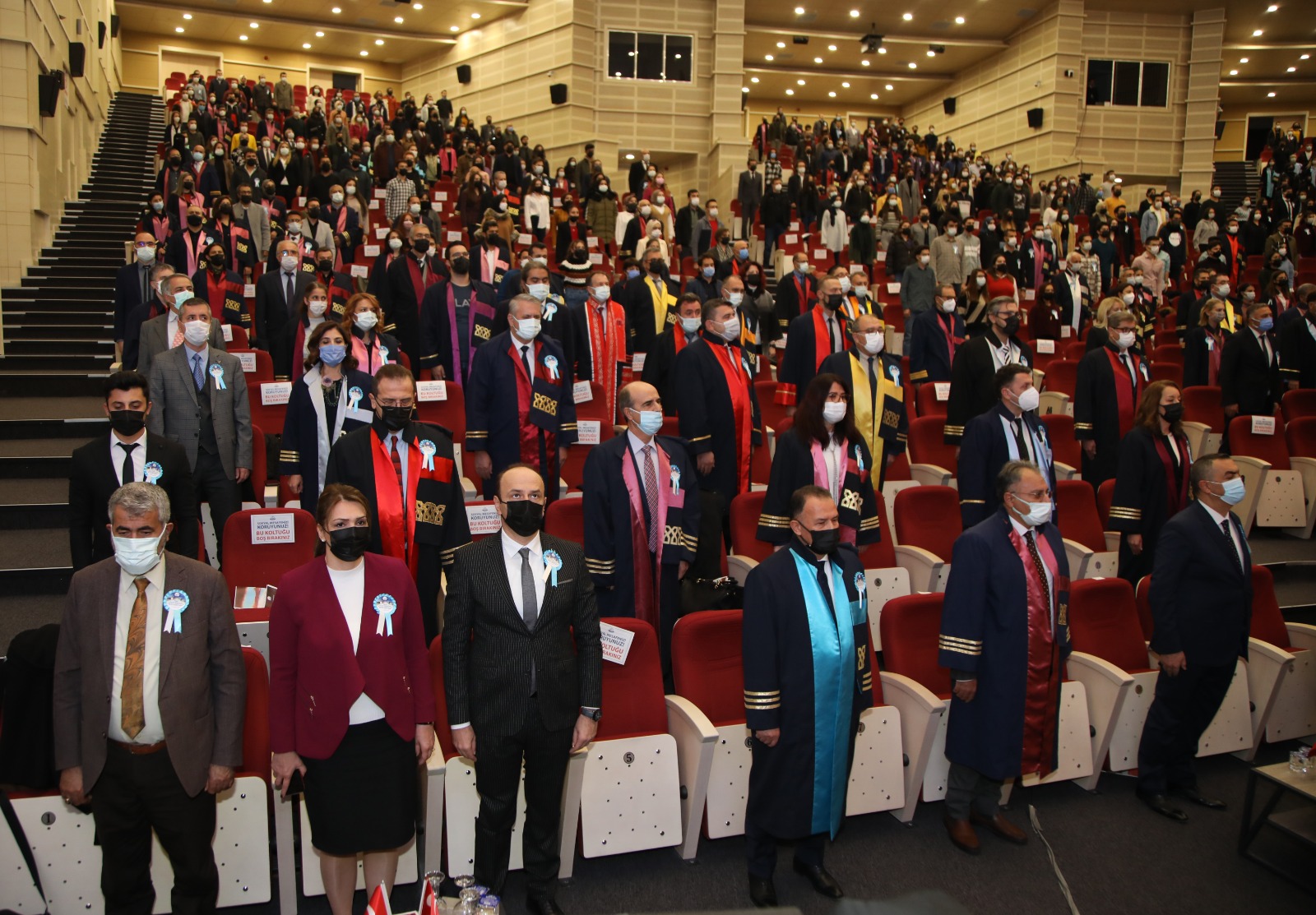
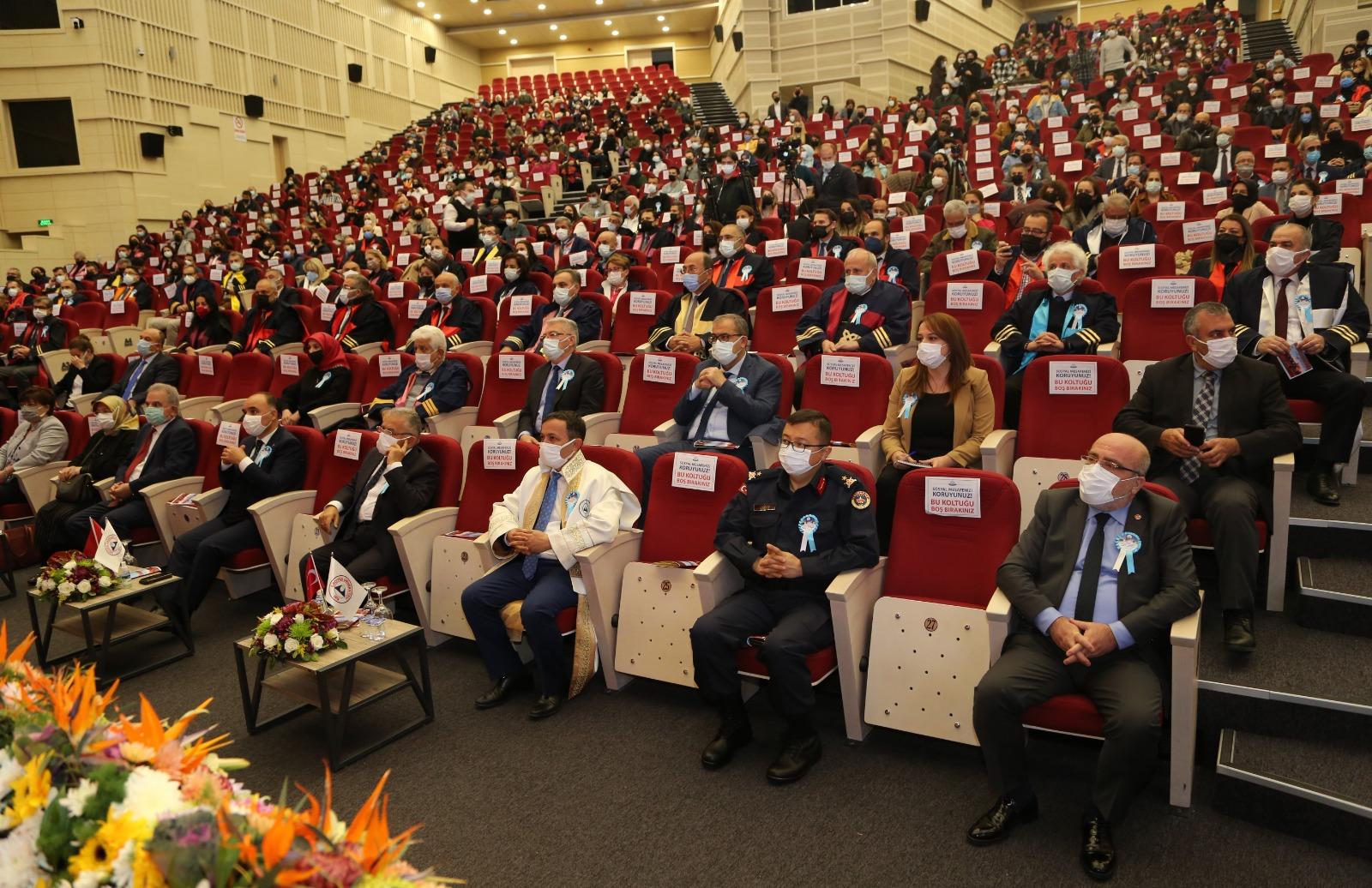
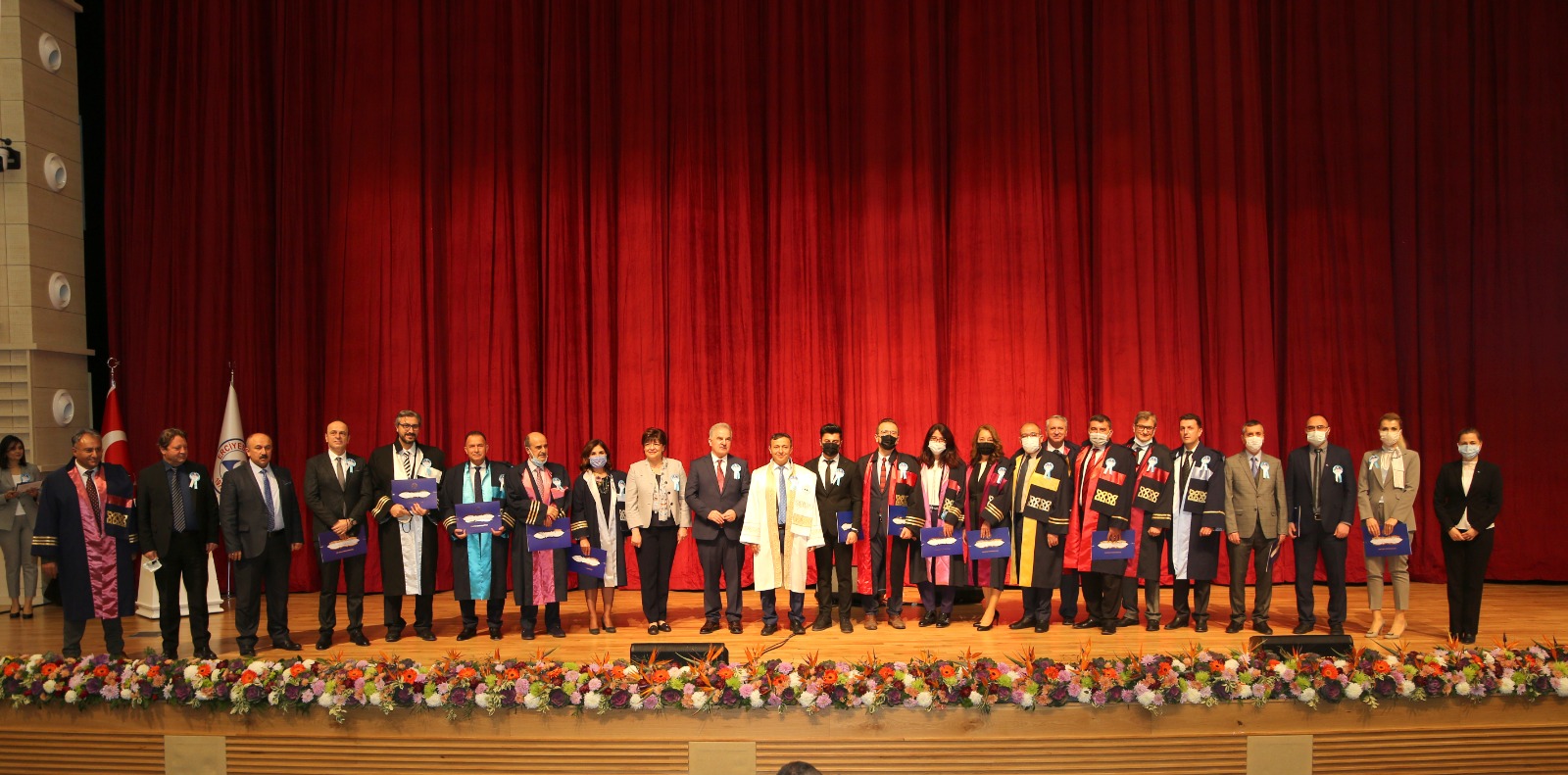
Governor Şehmus Günaydın, Mayor of Metropolitan Municipality Dr. Memduh Büyükkılıç, HEQC President Prof. Dr. Muzaffer Elmas, Rector Prof. Dr. Mustafa Çalış, Kayseri University Rector Prof. Dr. Kurtuluş Karamustafa, Abdullah Gül University Rector Prof. Dr. Cengiz Yılmaz, Provincial Gendarme Commander Brigadier General Yüksel Yiğit, Mayors of Districts, Chairman of Chamber of Industry Mehmet Büyüksimitçi, Kayseri Provincial Head of AK Party Şaban Çopuroğlu, Kayseri Provincial Head of MHP Adnan İncetoprak, academic and administrative staff and representatives of stakeholder organizations attended the ceremony held at the Erciyes Culture Center.
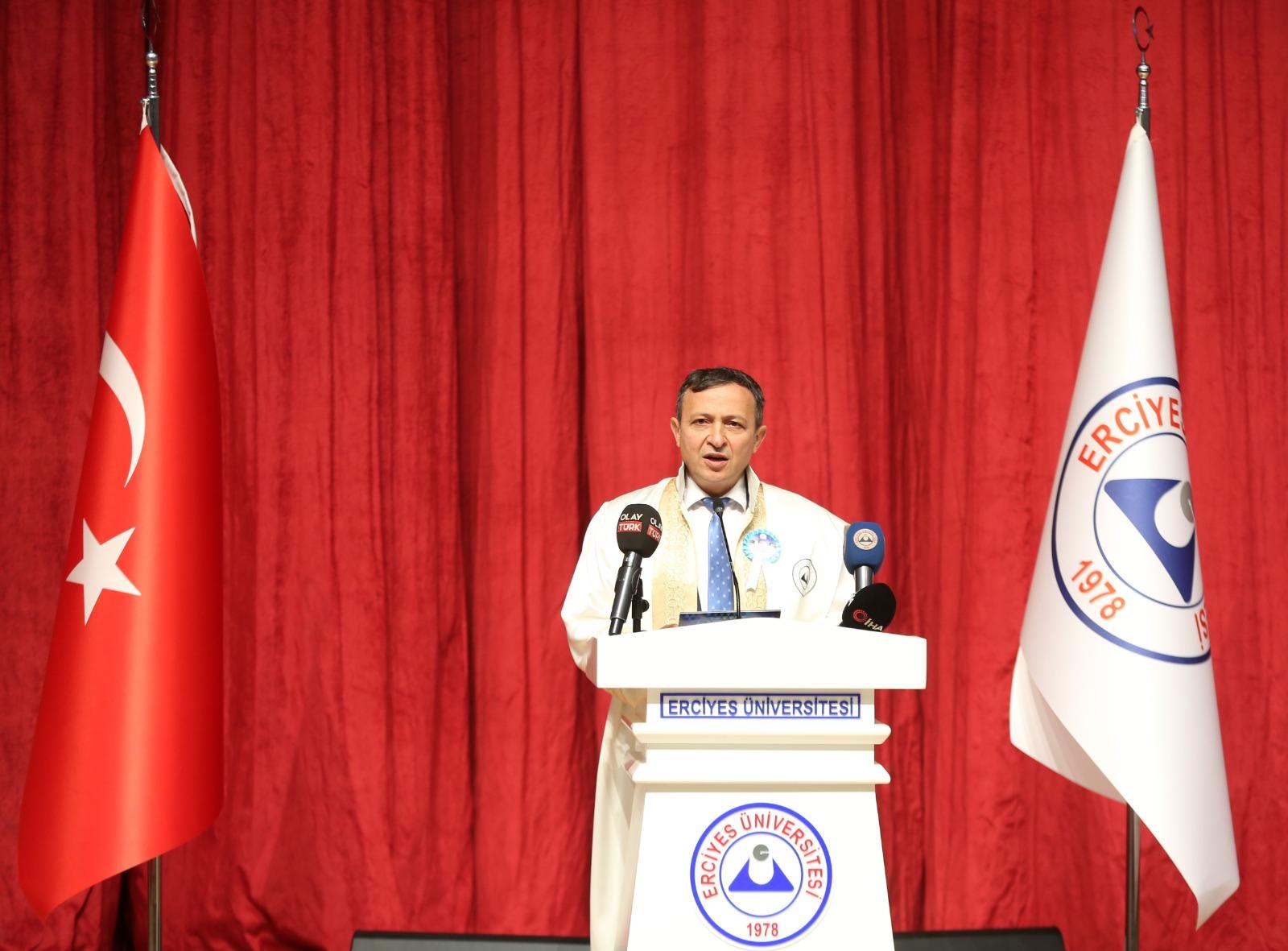
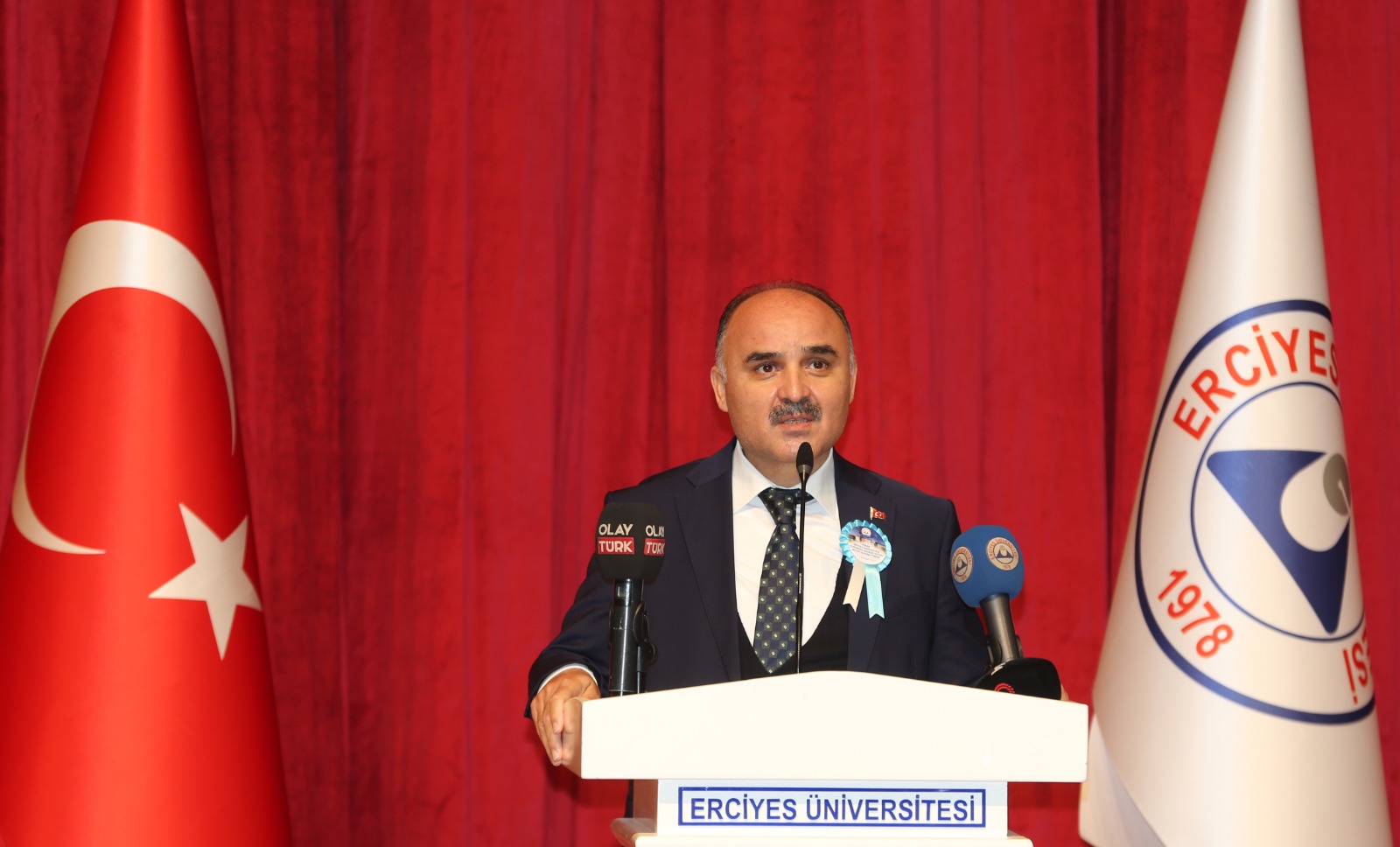
After the moment of silence and the National Anthem, our Rector made the opening speech of the event.
Stating that our university always endeavors to achieve even better with its competent scientists and developed research infrastructure, our Rector said: “Erciyes University, which was founded in 1978 with the contributions of benefactors, is today one of the well-established universities in our country with its deep-rooted history exceeding 43 years, 19 Faculties, 1 School, 2 Vocational Schools, 7 Institutes, 42 Research Centers and nearly 55,000 students and also one of the first universities in Turkey to voluntarily participate in quality studies. It is a source of pride for us that our University, which has been supported by benefactors since its establishment, is among the 11 Research Universities in Turkey, and is the only university that has added brand value to the research identity of Anatolia apart from metropolitan cities such as İstanbul, Ankara and İzmir. Our university plans, applies, monitors, evaluates necessary activities in order to provide continuous improvement in both quality improvement studies and Research University Performance Indicators and to make them sustainable and continues its continuous improvement studies so as to achieve better. Our University regards the quality improvement studies and the improvement of Research University Performance Indicators as a way to better serve its country and nation. The fact that our University has been considered worthy of the 2021 Community Service Award by the Council of Higher Education (CoHE) within the scope of Excellence Awards is one of the examples of this. In 2022 – 2026 Strategic Plan, Erciyes University determined 5 themes: Education and Training, Research and Development, Social Contribution, Management System and Sustainable University. Continuing its continuous improvement studies, Erciyes University was included in the Institutional Accreditation Program of HEQC in 2020. After the evaluation program carried out by the independent evaluation teams based upon the internal assessment report of the institutions, it was decided at the HEQC Meeting on July 14, 2021 that our University was fully accredited for a period of 5 years. Today, as Erciyes University, we are proud to receive this certificate.”
Emphasizing in his speech that since the first day they took office, as the senior management of Erciyes University, they have always continued to carry out studies with a student and research-oriented management approach without compromising on quality, Rector Çalış thanked those who contributed to ERU’s “full accreditation” certificate within the scope of “Institutional Accreditation Program”.
Our Rector continued his words as follows:
“Since the first day we took office, as the senior management of Erciyes University, we have always continued to carry out studies with a student and research-oriented management approach without compromising on quality. As a university integrated with the city, with our slogan “University not only on Campus, but also on Site”, we always carry out important works with the organizations in our city by doing projects in cooperation with non-governmental organizations, industry, commerce and professional chambers. In line with our country’s goals to become Great Turkey, as Erciyes University, we will continue to work with all our strength for our country and nation in the light of science. I would like to thank our academic and administrative staff, students, benefactors who have supported us since the establishment of our university, and all our internal and external stakeholders who have contributed to our university’s obtaining a “full accreditation certificate” within the scope of “Institutional Accreditation Program”.”
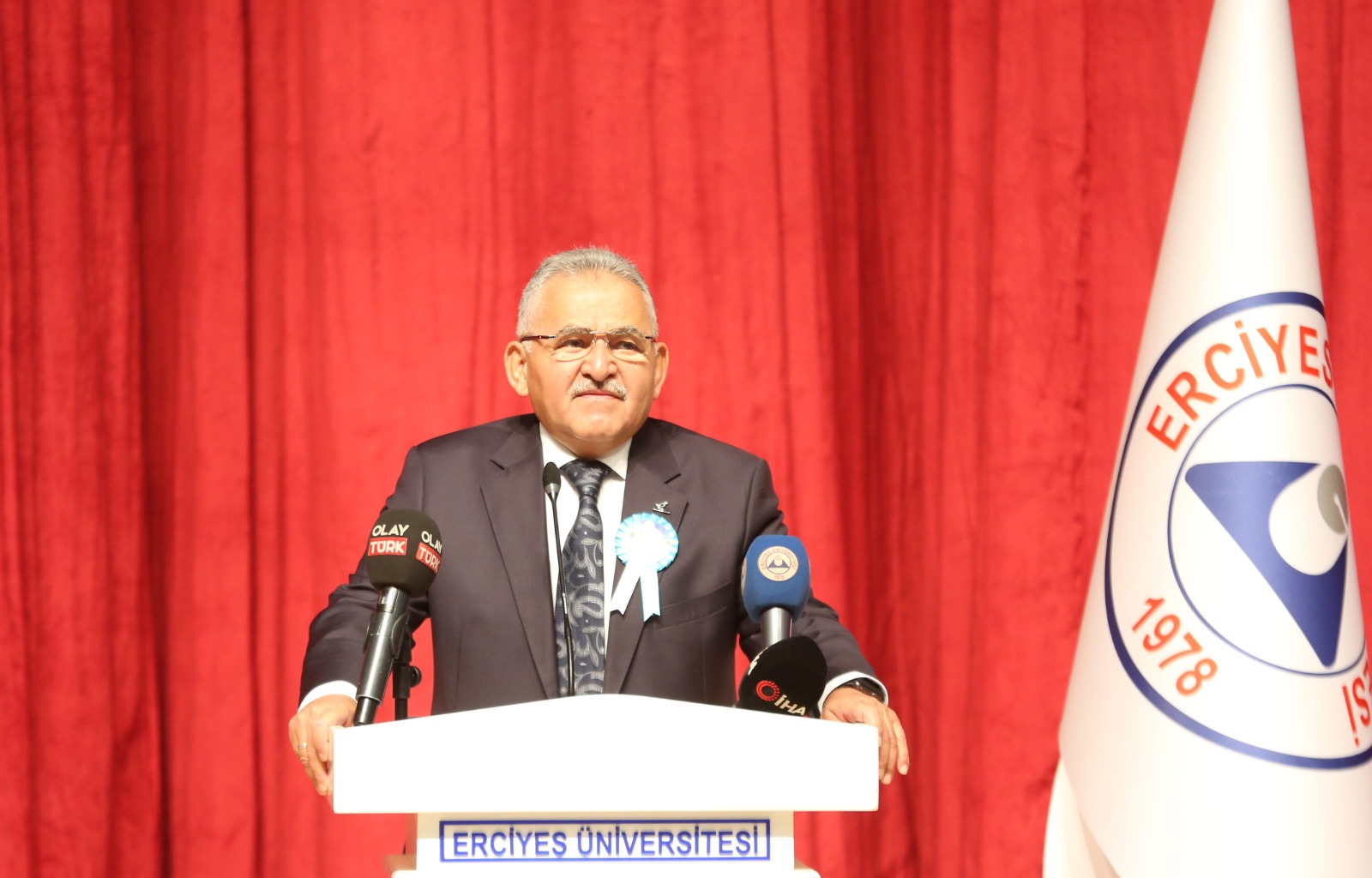
Stating that Erciyes University is the pride of Kayseri, Mayor of Metropolitan Municipality Dr. Memduh Büyükkılıç said: “The city whose university is accredited is itself also accredited. Therefore, this atmosphere is in harmony with the municipality, institutions and organizations of an accredited city.”
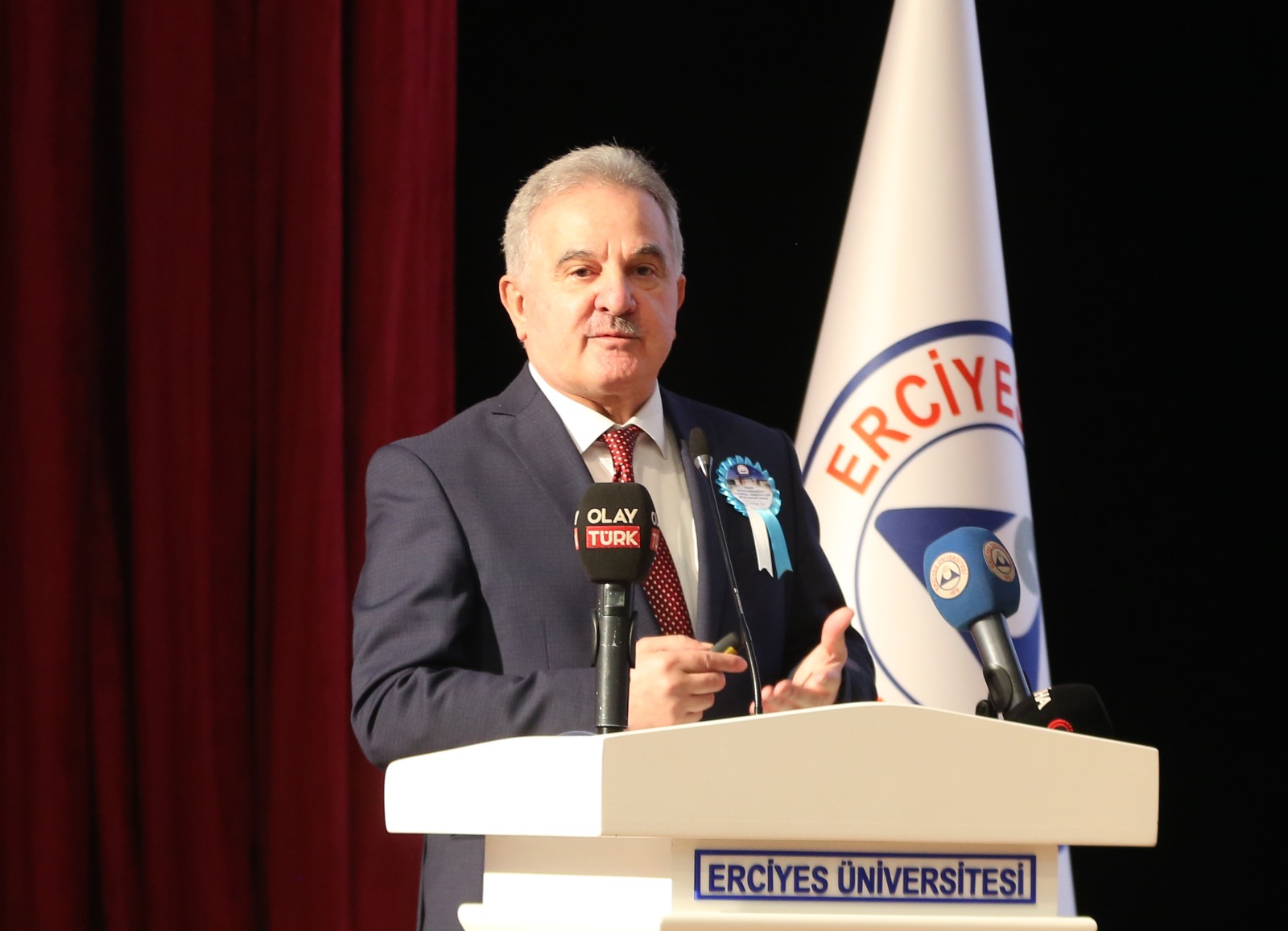
Drawing attention to the fact that there has been a rapid change in the field of higher education in recent years, HEQC President Prof. Dr. Muzaffer Elmas said: “There has been a rapid change in the field of higher education especially in recent years and steps are being taken to transform the current higher education system. Structures that are more flexible and easily adaptable to change, competence-based learning caused by the disruptive technological change, research and their contribution to the society and their effects on the society gain importance. The need for competences that have changed as a result of the pandemic has also changed expectations in higher education. Therefore, it should be a priority for our students who will choose a university to consider what additional competences the university offers. As the Council, we follow all the developments carefully and reflect them to our own processes. Every evaluation we make as the Quality Council focuses on the intensive efforts of our universities on the systems that will enable them to understand this rapid change, adapt and manage the change by evaluating its results. Our universities which have this point of view will put the knowledge, skills and competences that they want to provide within the scope of the university in the center of each point of view. The universities will take their lecturers, infrastructures and graduates into account in this regard and develop continuously. I also would like to point out here: “It is seen that some skills and competences during distance education throughout the pandemic period have not been gained sufficiently. In this period we are preparing to get out of the pandemic, by determining the competences that could not be gained on the basis of both university and the department/program, when the universities are opened, these competences should be provided both for existing and graduate students through additional courses, seminars and practices. This is our responsibility to young people.”
Making explanations about the studies of HEQC, Prof. Dr. Muzaffer Elmas said: “Our universities determine their missions, visions, policies and targets for education-training, research and contribution to society by considering the developments in the world, the goals of our development plan, the policies of the Higher Education Council, the needs of the region and the opportunities of the university. For this reason, it has become the most important issue in terms of higher education for our universities to establish their internal quality assurance systems consisting of the steps of determining their specific goals, monitoring and proceeding by evaluating the results. Our universities succeeding this can act agilely in an environment of continuous change and manage their processes successfully. The last 6-year reports and annual changes of performance indicators of our universities according to these targets can be seen on our website. In addition to strengthening the quality culture in our national higher education system, the basic services carried out by our Council are external evaluation, monitoring and institutional accreditation programs. A university having graduates within the scope of our national quality assurance system must first go through external evaluation and through follow-up processes 2 years after that where the progress status is evaluated. Our universities thinking that they have reached a certain maturity after these two evaluation stages apply to our institutional accreditation program. These programs which are the important components of our national quality assurance system provide goal orientation and strengthen the cooperation and learning together in our higher education ecosystem both through the universities evaluated and all the stakeholders involved in the evaluations. Quality is to do and look at the result. Those who make an effort to direct the present and the future in the increasingly complex world will need to benefit more from quality processes. The main goal of our Council in these evaluations is to ensure that graduates in universities have the expected qualifications, find jobs easily, contribute to R&D and the society and also ensure the increase in the visibility of universities in the world as well as in our country.”
Underscoring that universities are given a “full accreditation” for a period of 5 years or a “provisional accreditation” for a period of 2 years, Prof. Dr. Muzaffer Elmas continued his words as follows: “Within the scope of our external evaluations, our universities, first, prepare a comprehensive report with evidences that demonstrates at which stage they are in terms of 22 criteria and 56 sub-criteria in the fields of Quality Assurance System, Education and Training, Research and Development, Social Contribution and Management System. Therefore, the institution recognizes and evaluates itself, which is the most important stage of the process. Then, a preliminary evaluation is made by the evaluation teams formed by the HEQC and consisting of 8 people, including also students and foreign evaluators, who read these reports and hold intensive meetings among themselves. Afterwards, the teams pay face-to-face or online preliminary visits and site visits to all units of the university, come together with internal and external stakeholders especially with students, evaluate the position of the institution on site and prepare a Feedback Report and Accreditation Report as a result. Finally, in the Institutional Accreditation Program, the relevant commissions and the Board of HEQC take this report into account, come together with the evaluation team and decide on “full accreditation” for a period of 5 years or “provisional accreditation” for a period of 2 years. I would like to thank all our evaluators, especially our students and foreign evaluators and our council members who experience a very dynamic process and work intensively during these stages.
Giving information about the accreditation process of Erciyes University, Prof. Dr. Muzaffer Elmas thanked our Rector Prof. Dr. Mustafa Çalış, who gave importance to the accreditation during evaluation process and led the process. He said: “So far, our Council has completed the external evaluations of all our universities that have graduates in our country and has carried out the monitoring processes in 100 universities. With the Institutional Accreditation Program, which started to be applied for the first time in 2020, it is aimed to increase the contribution of the universities in Turkey to the national goals and their visibility in the world. 11 universities (Akdeniz University, Ankara University, Atatürk University, Ege University, Erciyes University, Gaziantep University, Ihsan Doğramacı Bilkent University, İstanbul Technical University, Koç University, Ondokuz Mayıs University and Ted University) out of almost 60 universities that applied in 2020 were included in the Institutional Accreditation Program. The evaluation processes will be completed these days and the other universities will be announced in turn. Today, the sixth ceremony within this scope has been organized to give Erciyes University its certificate. From the moment we announced the universities included in the Institutional Accreditation Program in June 2020, Rector Çalış has been in full harmony and cooperation with our institution and evaluation team throughout the entire evaluation process with the principle of corporate memory and sustainability in quality studies. Our Evaluation Team paid an online preliminary visit to your University on December 16, 2020 and an on-site visit on March 29-31, 2021. During this process, our Evaluation Team evaluated Erciyes University in terms of 22 criteria and 56 sub-criteria in the fields of Quality Assurance System, Education and Training, Research and Development, Social Contribution and Management System. As a result of careful and comprehensive studies, our Evaluation Team prepared a “Draft Accreditation Report”. With your university’s feedback, the final “Accreditation Report” was submitted to our Institution by our Evaluation Team. The relevant commissions and board of HEQC took this report into account, came together with the evaluation team and evaluated the situation. As a result of the decision taken at the board meeting of the HEQC held on July 14, 2021, Erciyes University was entitled to “full accreditation” for a period of 5 years. Wishing this accreditation to be beneficial. Full accreditation ensures that graduates of Erciyes University have the expected qualifications, find jobs easily, contribute to R&D and the society and also ensures the increase in the visibility of the university in the world as well as in our country. After this stage, the university will progress rapidly towards excellence by continuously improving. I congratulate Rector Prof. Dr. Mustafa Çalış and his team leading this process, quality committee, deans, department heads, academic and administrative staff of the university and students.”
In his speech, Governor Şehmus Günaydın said: “Our University has developed its adaptability in the face of technological developments and has been entitled to receive an award. I would like to thank our university for the efforts in this achievement and wish continued success.”
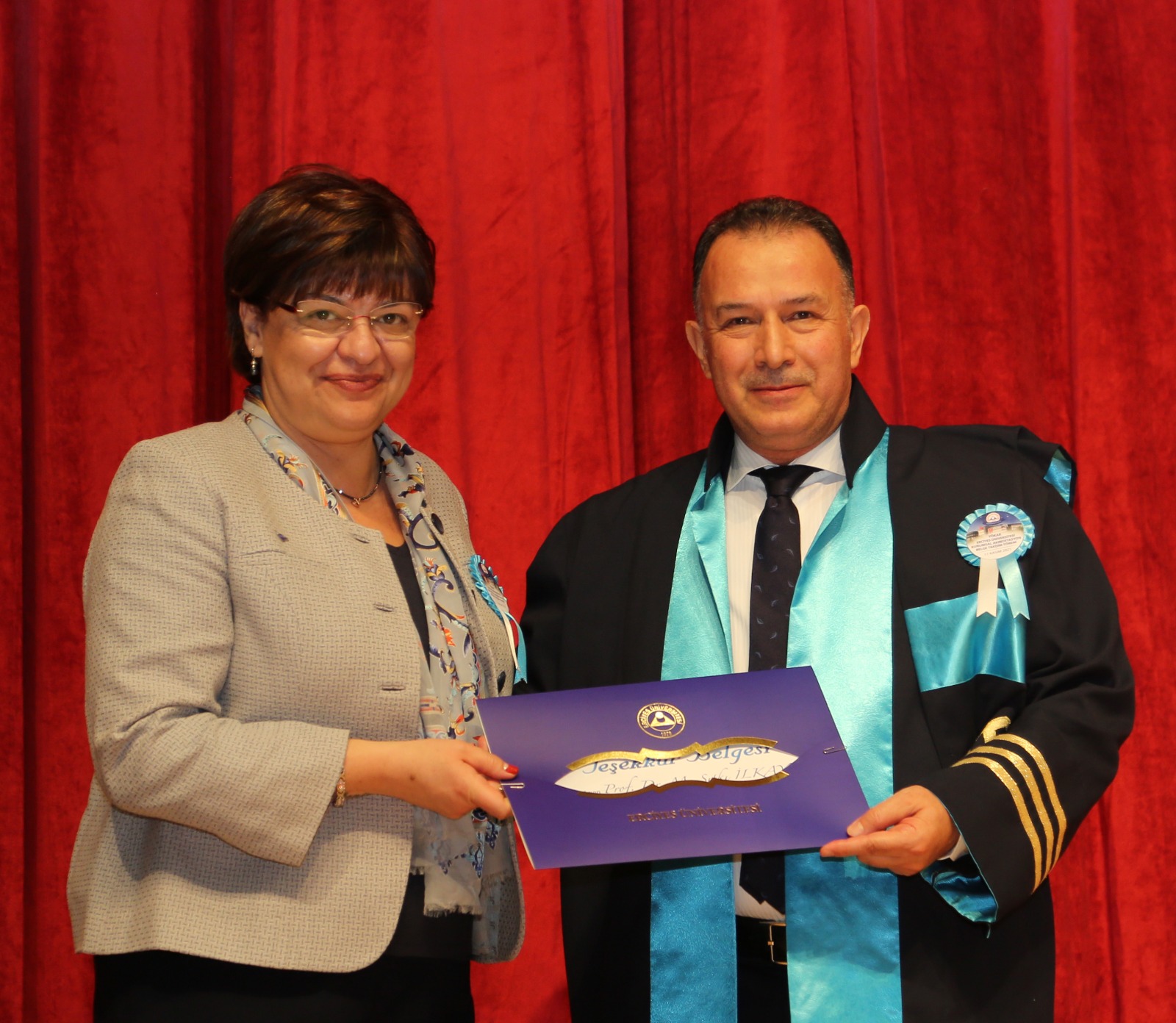
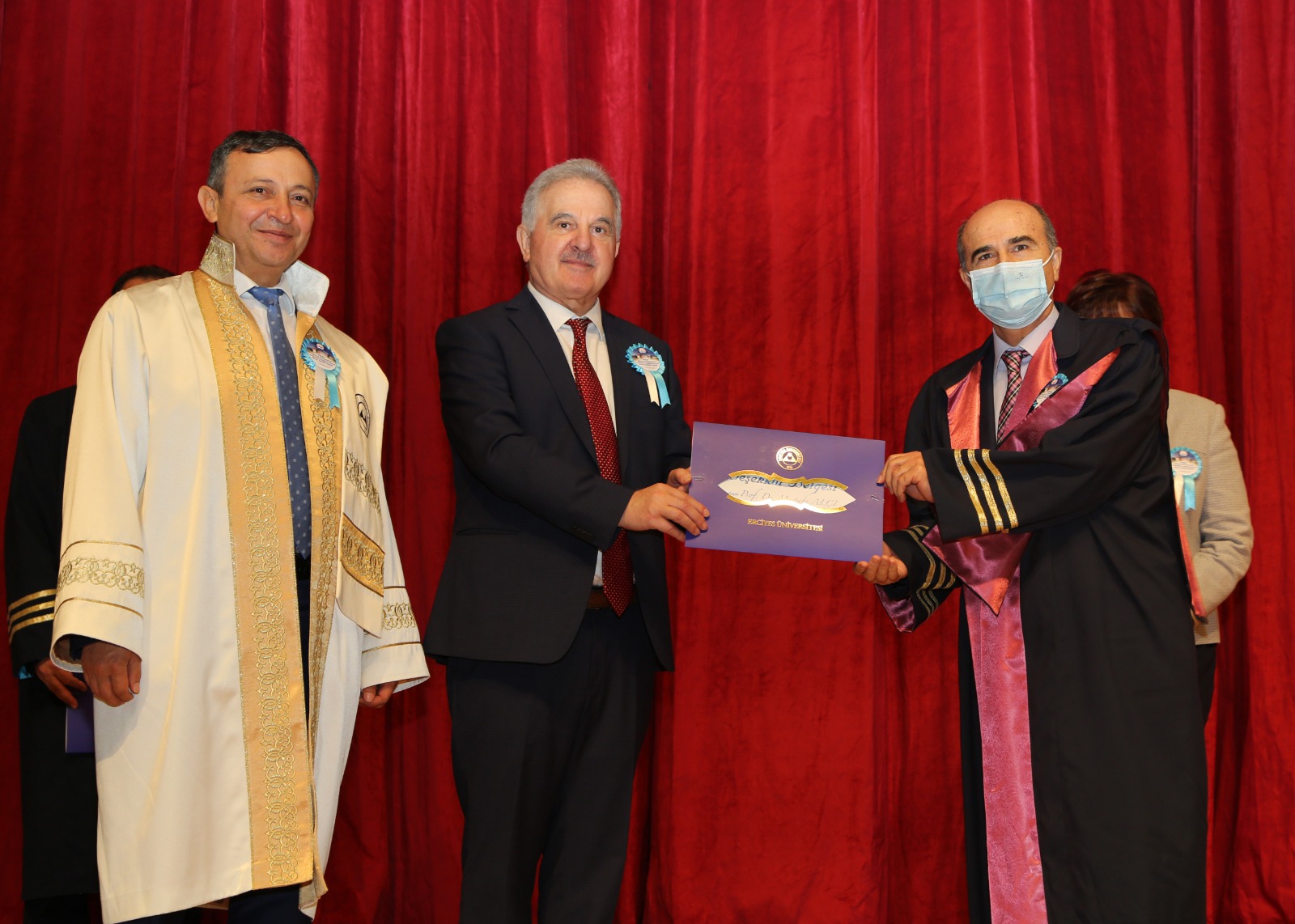
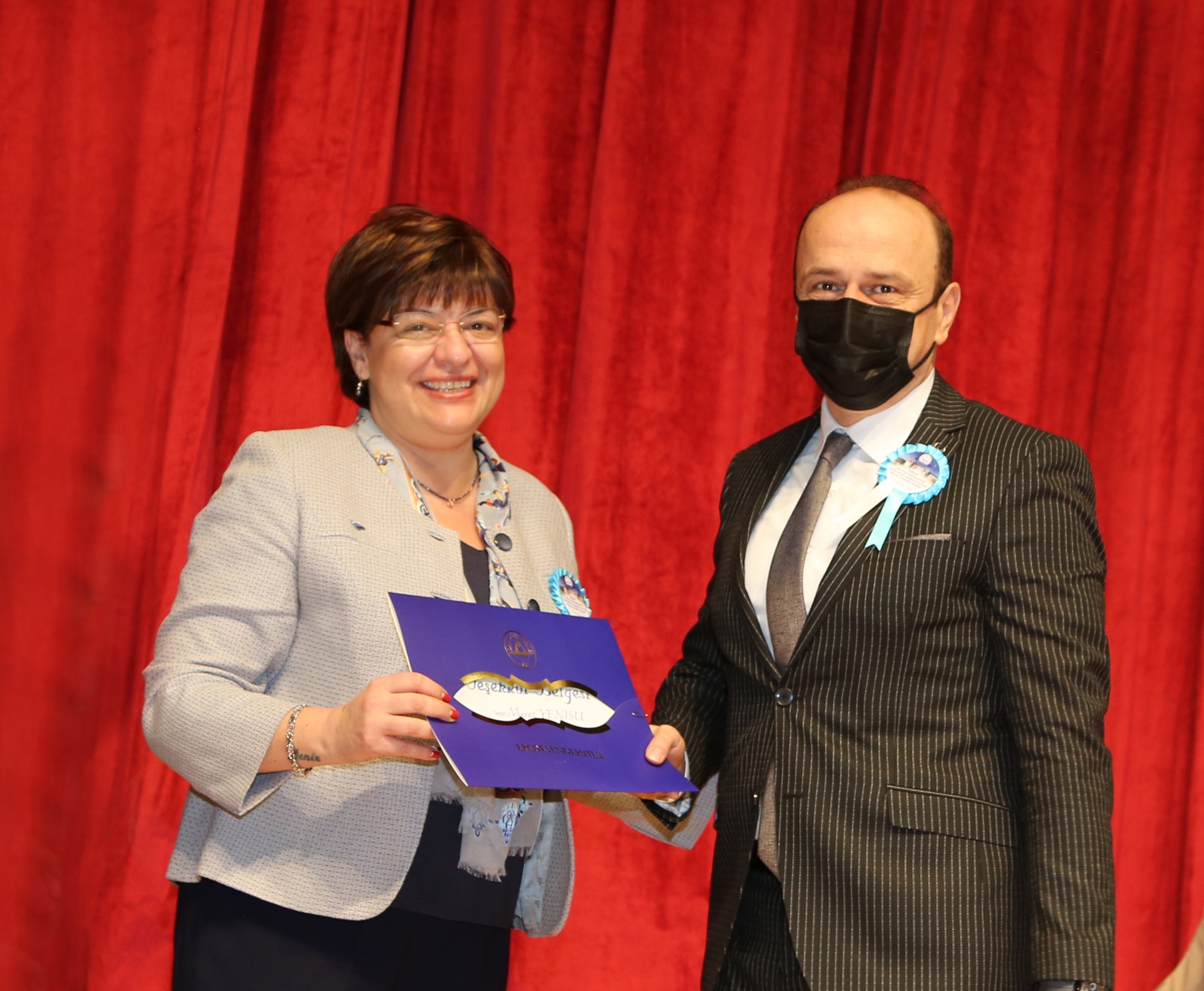
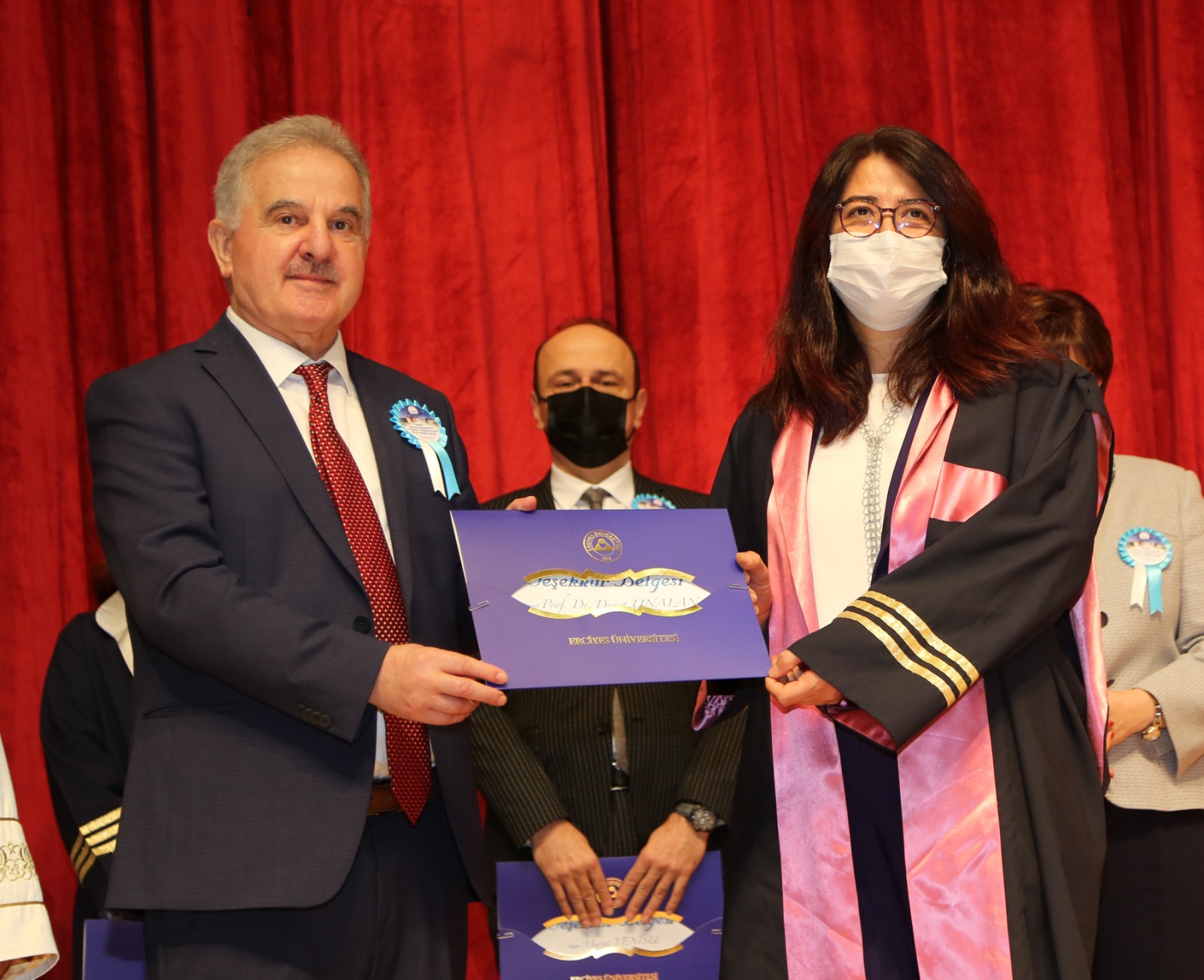
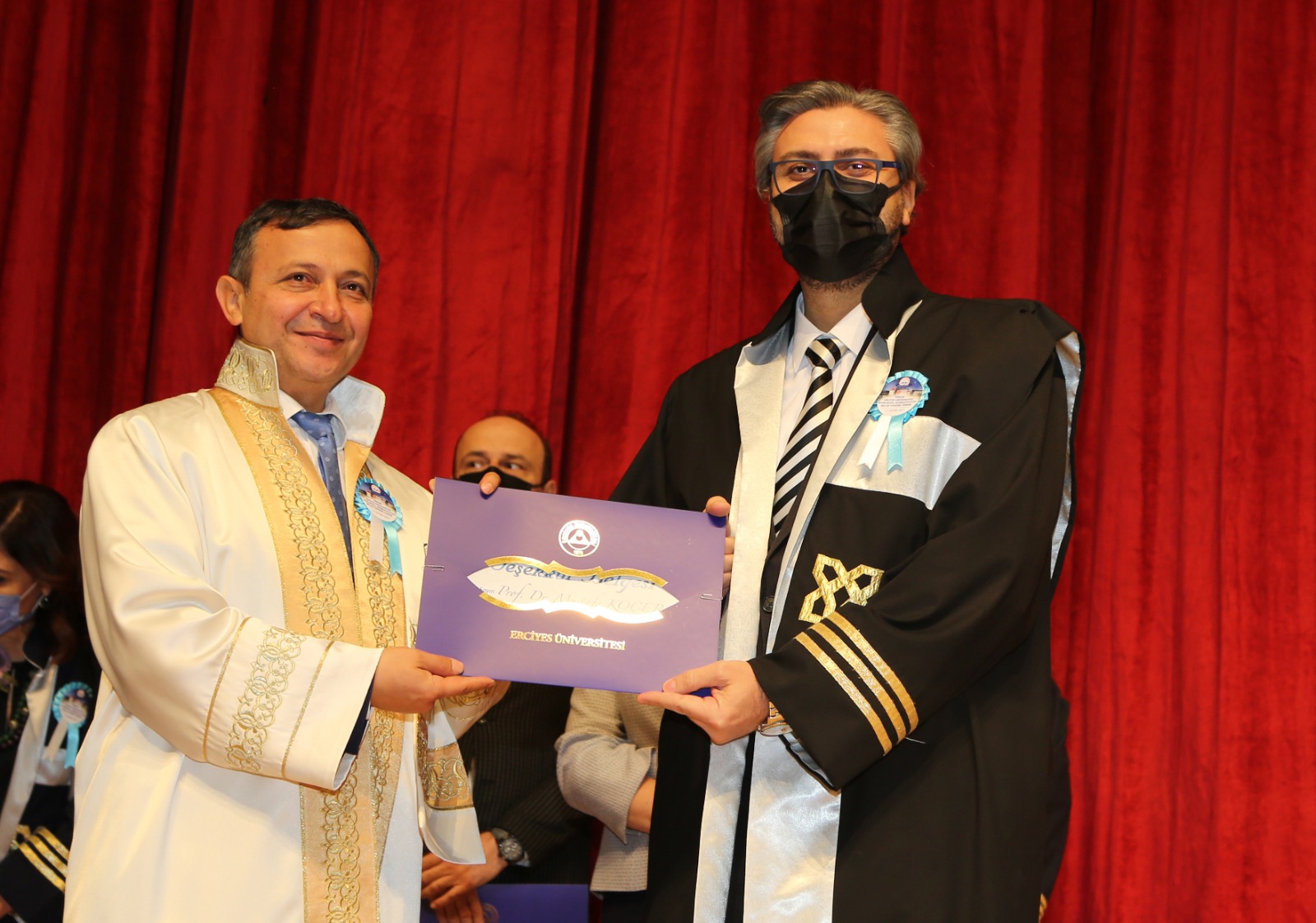
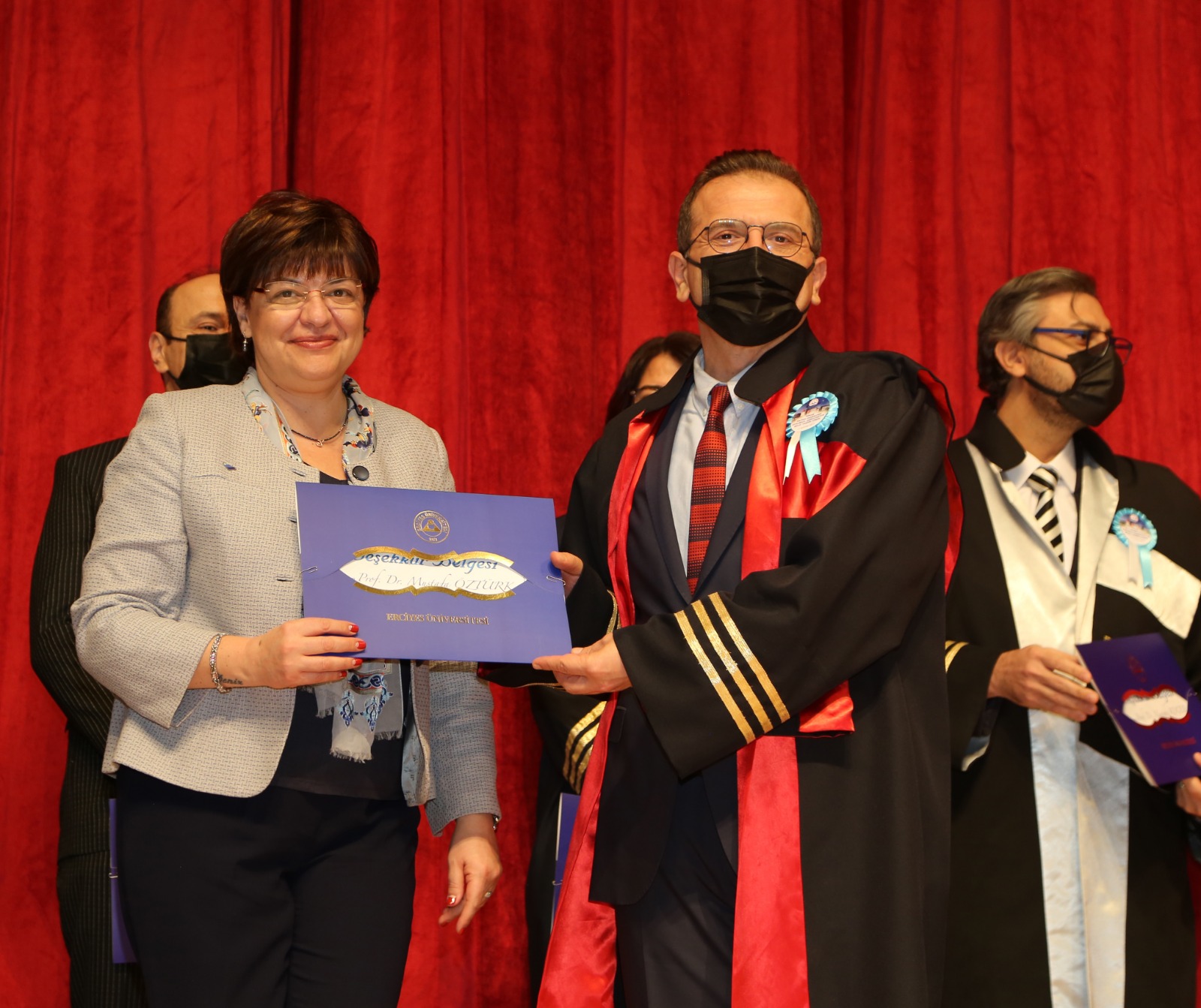
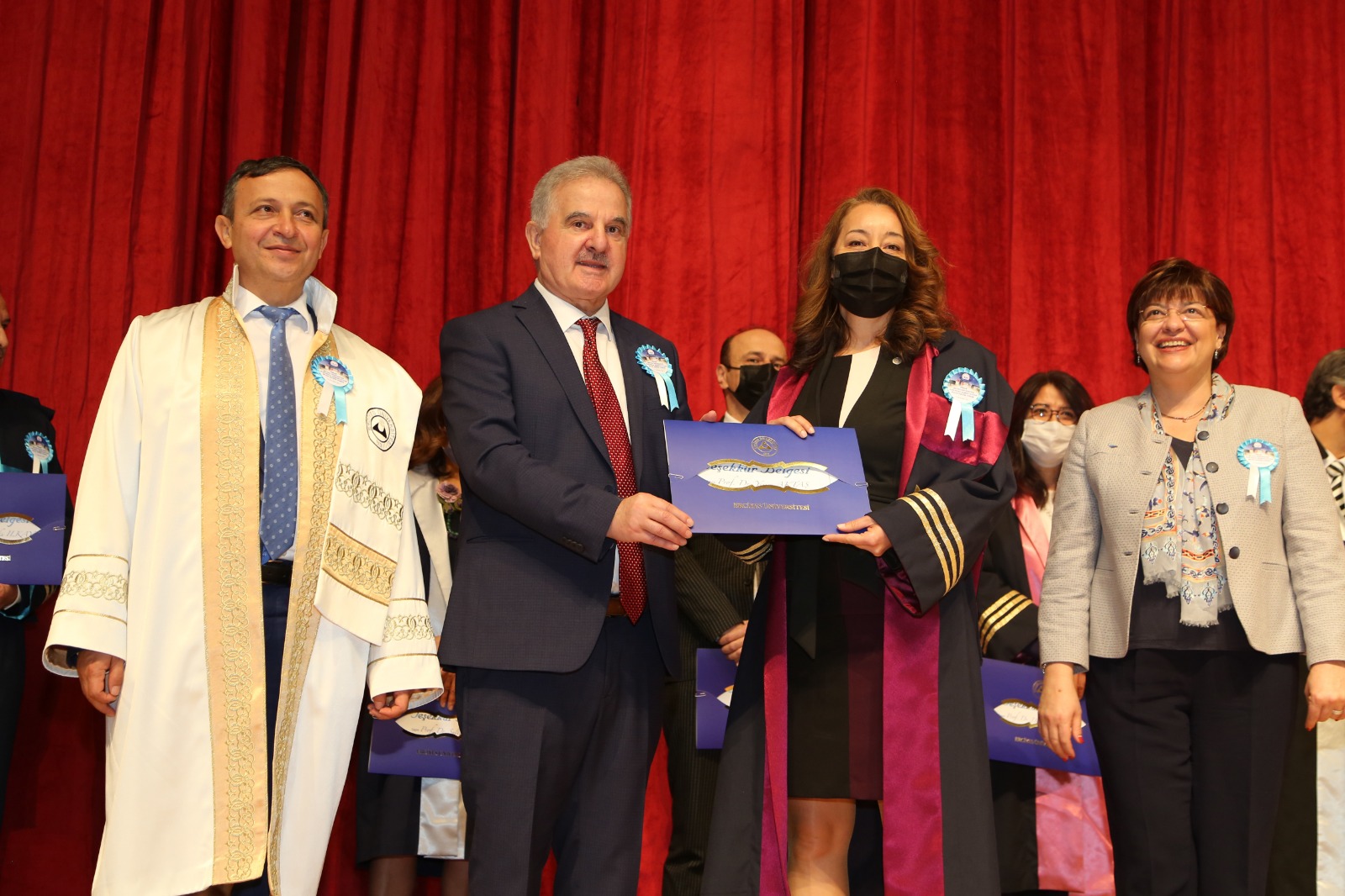
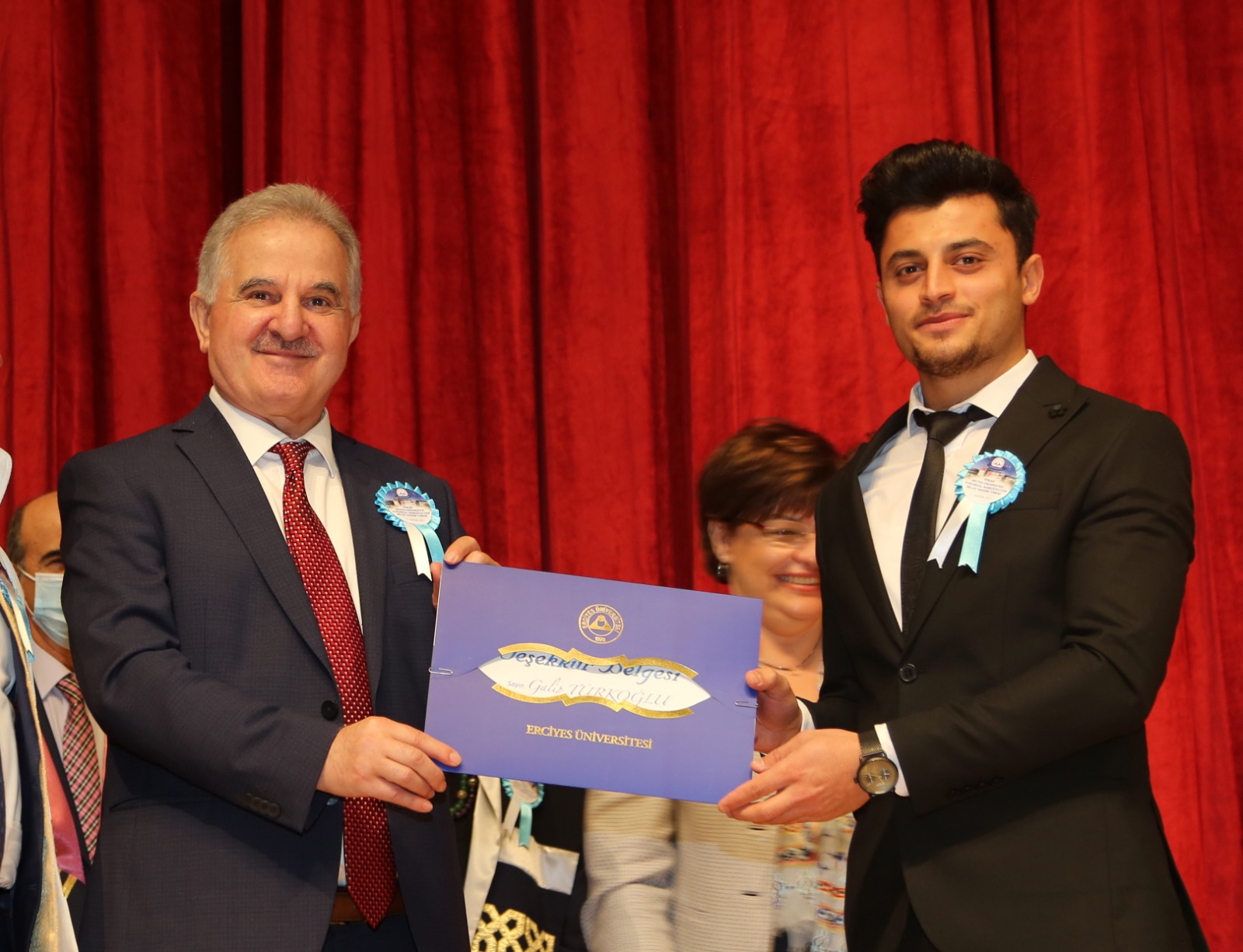
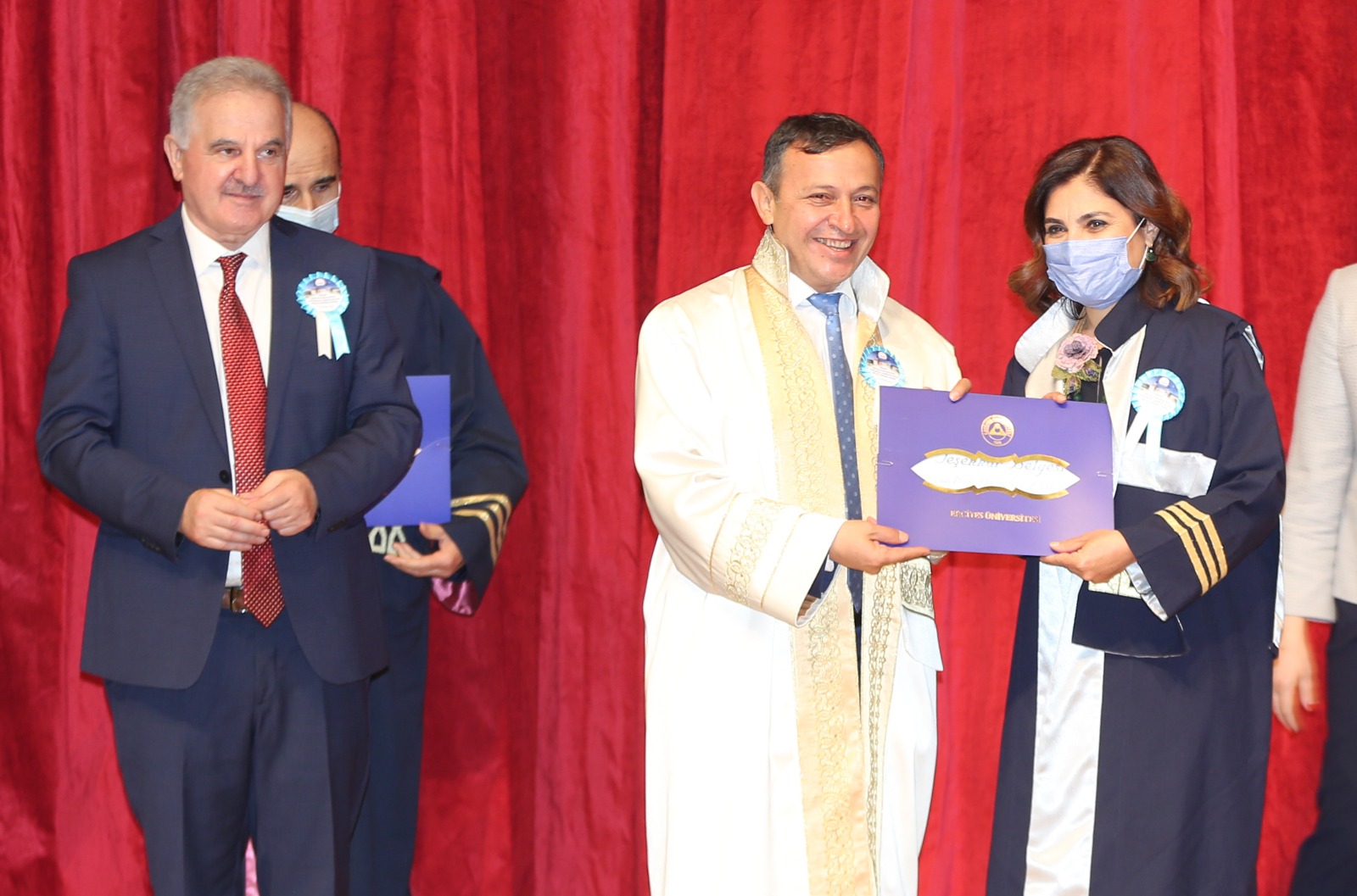
Following the speeches, HEQC President Prof. Dr. Muzaffer Elmas presented our Rector with Full Accreditation Certificate.
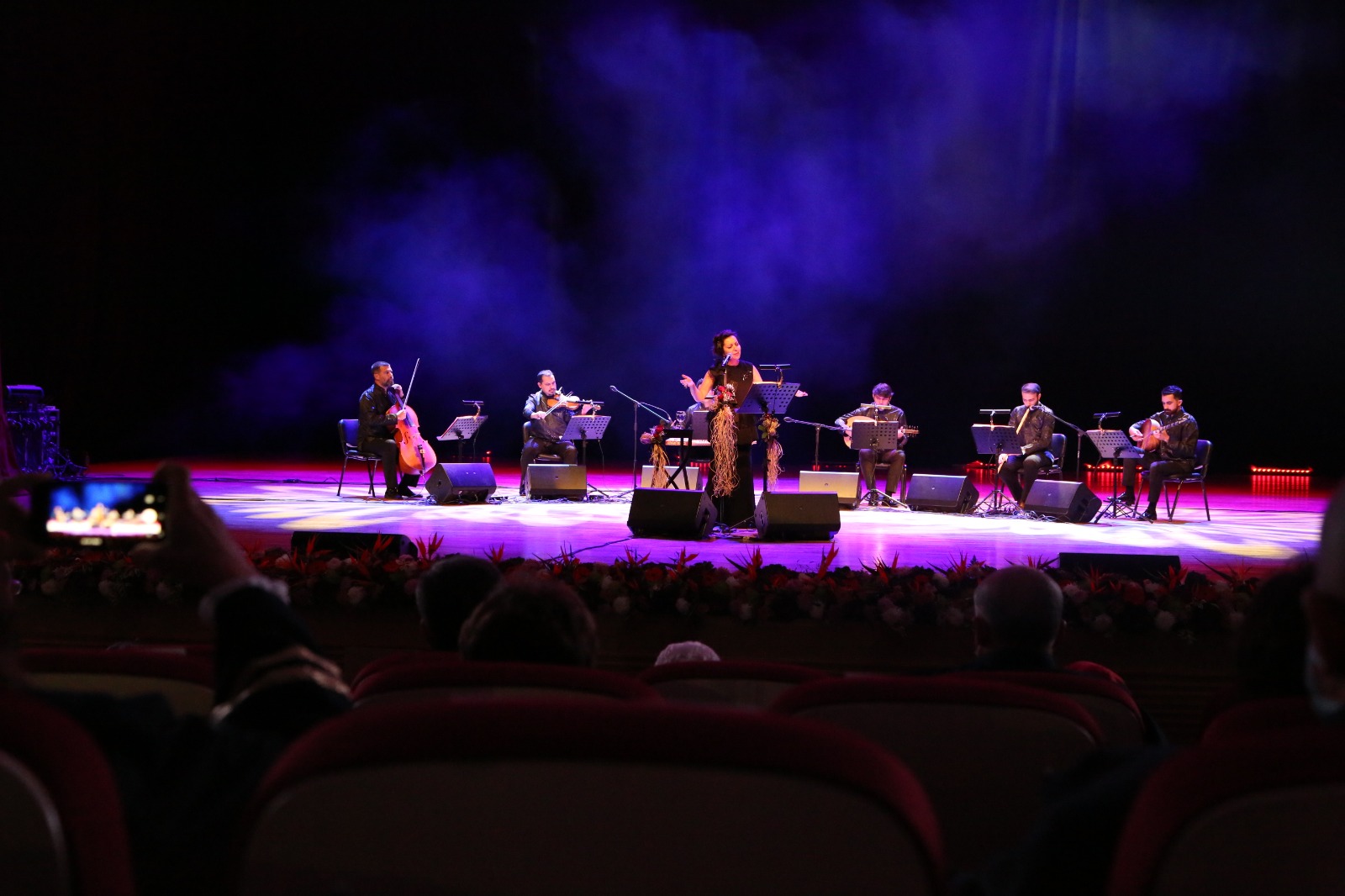
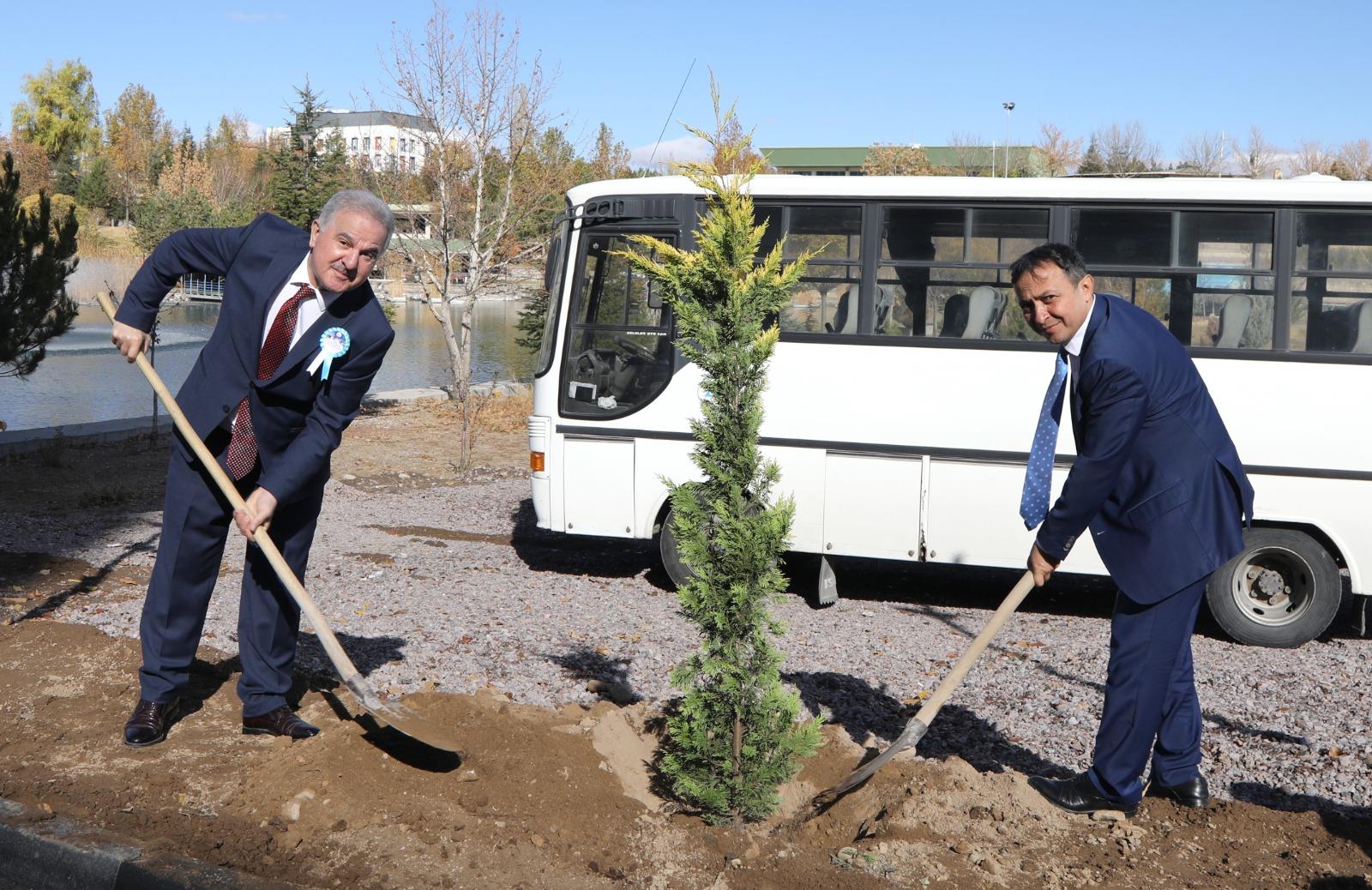
After the concert of ERU Classical Turkish Music Ensemble, guests also attended the sapling planting event at the garden of Erciyes Culture Center on the occasion of “National Afforestation Day”.